How Adaptive Cruise Control Works: Smart Cruise Control Explained
Posted Thursday, Apr 09, 2026
Smart cruise control is transforming driving by combining radar, sensors, and software to maintain your set speed and a safe following distance from the vehicle ahead. For buyers researching used cars, understanding how adaptive cruise control works and what systems allow can help you pick the right pre-owned vehicle with driver assistance technologies that meet your needs. This guide explains smart cruise control, how ACC differs from conventional cruise control, and what buyers should know when shopping at a used car dealership.
What is adaptive cruise control and how does it differ from standard cruise control?
Adaptive cruise control (ACC) is an advanced cruise control system that not only maintains the speed you set but also adjusts speed and distance to the vehicle in front. Standard cruise control keeps a constant desired speed using the accelerator until you brake or change speed manually. In contrast, adaptive cruise control uses radar and sensors to detect a car ahead and will automatically slow, coast, or even brake to maintain a safe following distance.
The main differences include: adaptive cruise control systems allow dynamic changes in speed based on traffic conditions, while traditional cruise control does not. Basic adaptive cruise control is becoming a common feature in many makes such as Kia, Toyota, and Mercedes-Benz, and systems can range from simple speed-and-distance control to sophisticated stop-and-go and lane centering features.
How do smart cruise control systems detect a vehicle ahead?
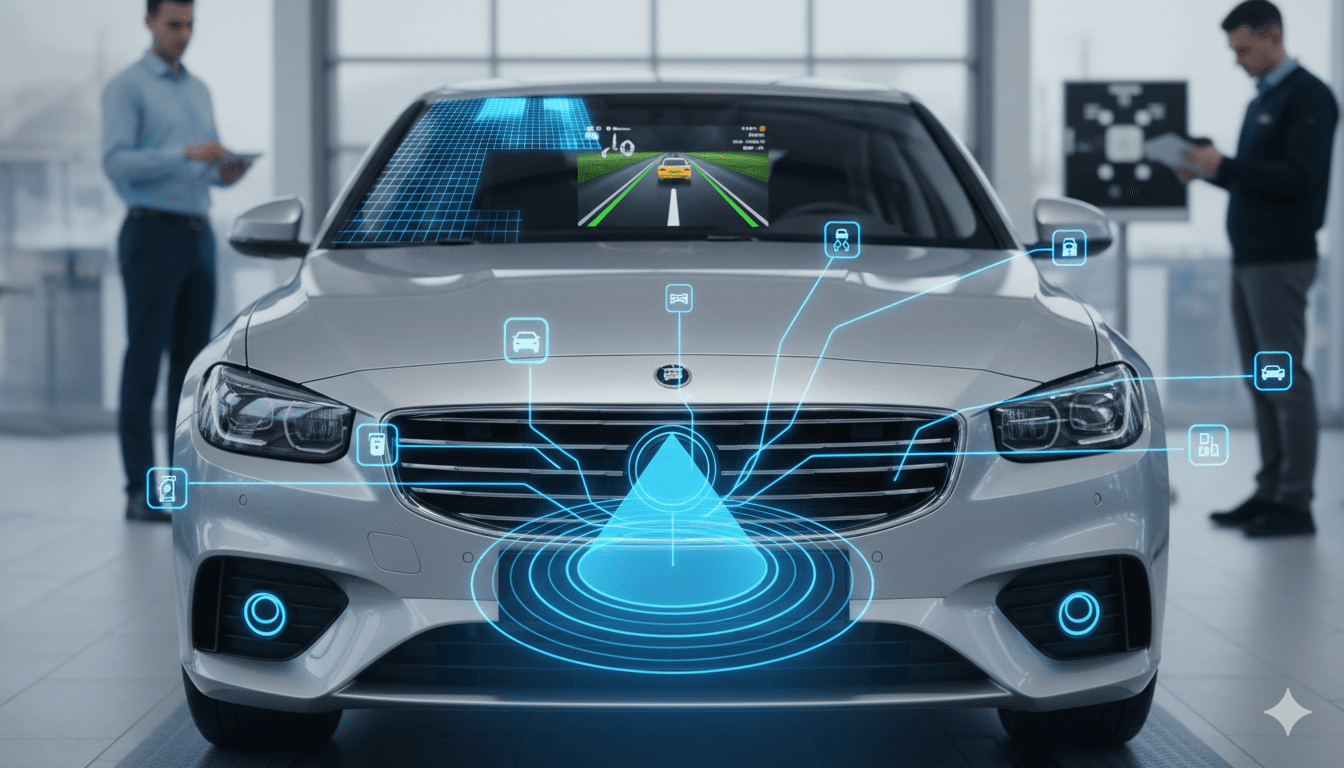
Smart cruise control systems use a combination of radar sensors, camera systems, and sometimes lidar to detect the vehicle ahead. A radar sensor mounted behind the grill or bumper sends out radio waves that bounce off the car in front and return, allowing the system to calculate the distance and relative speed. Cameras can add object recognition to distinguish cars, trucks, and other obstacles, improving detection in complex traffic scenarios.
These sensors work together so the ACC system can detect when a car ahead slows or when traffic conditions change. If the system detects a vehicle in front slowing, it will automatically slow your car by reducing throttle or applying the brake to keep a safe distance between your car and the vehicle ahead. Understanding sensor placement and condition is important when buying used to ensure the system works reliably.
How does ACC control braking and acceleration?
Adaptive cruise control controls acceleration and braking by modulating the accelerator and, when necessary, using the vehicle’s brakes. When the radar sensor identifies a slower car ahead, the ACC system will automatically slow down by easing off the accelerator and applying brake pressure to maintain the chosen safe following distance. If the lane ahead clears, the system will accelerate back to the set speed.
Modern ACC systems include automatic emergency braking and can bring the car to a complete stop in stop-and-go traffic. In stop-and-go situations, some systems will hold the brake until traffic moves again, while others may require a light tap on the accelerator or the steering wheel to resume. When test driving used cars, confirm how the ACC handles low speeds and stop-and-go traffic to match your driving patterns.
Can smart cruise control handle stop-and-go traffic?
Yes, many adaptive cruise control systems include stop-and-go functionality designed for traffic jams and heavy congestion. Smart cruise control with stop can bring the vehicle to a complete stop when traffic stops and then resume following when traffic moves, either automatically or after a driver prompt. This feature reduces driver fatigue during long commutes by managing both speed and following distance at low speeds.
Not all systems are identical: traffic jam assist and stop-and-go features vary by manufacturer and model year. Some older cruise systems may only slow to a crawl and won’t hold a complete stop. When buying a pre-owned vehicle, check whether the ACC system advertises full stop-and-go capability and confirm it works properly during a test drive in realistic traffic conditions.
What are the safety benefits and limitations of cruise control systems?
Adaptive cruise control improves safety by maintaining a safe following distance automatically, reducing the risk of rear-end collisions when the car ahead slows suddenly. Systems allow consistent speed control which can reduce driver workload on highways and help manage fuel efficiency. Coupled with lane centering and automatic emergency braking, ACC becomes a robust driving assist technology to support safer driving.
However, there are limitations: sensors can be affected by poor weather, heavy spray, or obscured camera/radar covers. ACC systems may not detect stationary objects at high speed and can be less effective in unusual traffic conditions or construction zones. Buyers should understand that driver assistance technologies are aids—not replacements—for attentive driving. Regular maintenance and sensor calibration are essential, especially when purchasing used cars for sale.
How should buyers test adaptive cruise control during a test drive?
When you test drive a car with adaptive cruise control, try a variety of conditions: set the speed on the highway, engage ACC, and observe how it responds to a vehicle ahead slowing. Use different following distance settings if available. Test the system’s ability to accelerate back to the set speed after passing or after the vehicle ahead moves away. Also test stop-and-go behavior in slow traffic to see if it stops and resumes smoothly.
Checklist for ACC test drive: 1) Set desired speed and following distance; 2) Verify detection of vehicle ahead and response to slowing; 3) Check braking smoothness and resume behavior; 4) Confirm cruise control buttons and settings on the steering wheel function properly. This practical check helps evaluate whether the system performs as advertised and whether repairs or sensor adjustments are needed.
What should buyers know about ACC systems in used cars?
When buying used, inspect the condition of radar sensors and cameras—look for cracked lenses, damaged bumpers, or aftermarket modifications that could impair detection. Ask the seller about system calibration after body repairs; collisions that affect the bumper or sensor area often require recalibration. Verify software updates and recall information for the vehicle’s driver assistance systems.
Consider how the vehicle’s make and model implements adaptive cruise control: some brands like Kia and Toyota have well-integrated ACC systems, while luxury brands may include more advanced features like traffic jam assist and lane centering. Also check the vehicle history for incidents affecting sensors and test the cruise control safe distance and stop functions during a test drive.
How do ACC systems vary by brand and vehicle type?
Automakers implement adaptive cruise control differently. For example, some systems focus on highway driving and maintain speed and distance but lack full stop-and-go control, while premium systems from Mercedes-Benz or higher trims may offer integrated lane centering and traffic jam assist. Even within brands, versions differ—basic adaptive cruise control might only adjust speed, whereas advanced systems can handle low speeds and complete stops.
When comparing used car dealers or listings, look for keywords like adaptive cruise control maintains, cruise control with stop, traffic ahead detection, or smart cruise control with stop. Evaluate how each system handles acceleration, braking, and resuming after a complete stop. Keep in mind the vehicle’s sensor suite—radar sensor size and camera placement influence performance in different traffic conditions.
How do driver assistance systems integrate with smart cruise control?
Smart cruise control often integrates with other driver assistance systems such as lane keeping, automatic emergency braking, blind spot monitoring, and traffic sign recognition. Combined, these systems offer a smoother and safer driving experience: ACC manages speed and following distance while lane centering helps keep the vehicle positioned, and emergency braking can intervene if a car ahead stops suddenly.
Integration means the overall system can react to surrounding traffic more intelligently. For example, if traffic conditions require stronger braking than ACC alone provides, automatic emergency braking can supplement the brake application. Buyers should ensure all assistance systems work together and that alerts, steering wheel controls, and cruise control buttons function as intended during a test drive.
What maintenance or repairs affect adaptive cruise control performance?
Maintenance items that impact ACC include keeping sensors clean, ensuring bumper and grill integrity, and updating software when manufacturers release improvements. Small collisions, bumper replacements, or misaligned panels can shift radar sensor calibration and degrade detection accuracy. Professional recalibration following bodywork is often necessary to restore full functionality.
Other issues include electrical faults, damaged camera lenses, or software errors. When purchasing used cars for sale, ask for service records showing sensor calibrations and software updates. If possible, have a technician at a used car dealership verify the ACC system status and any recent repairs related to driver assistance technologies.
How should buyers weigh ACC when choosing a used car?
Adaptive cruise control can greatly improve comfort and safety, especially for highway commuters facing stop-and-go traffic. Buyers should weigh ACC’s benefits against potential repair costs and the age of the vehicle’s systems. Newer models often have more reliable, feature-rich ACC systems, while older cruise control may be conventional cruise control without adaptive features.
When comparing used car dealers, prioritize vehicles with documented maintenance and functioning ACC systems. Confirm the presence of features you need—stop-and-go capabilities, adjustable following distance, and integration with lane centering. For buyers financing a vehicle, factor the value added by driver assistance systems into the negotiation and consider used car finance options offered by the dealership.
Conclusion
How Smart Cruise Control Works and What Buyers Should Know: understanding adaptive cruise control, how it detects vehicles ahead with radar and sensors, and how it manages speed, acceleration, and braking helps you make a smarter purchase. Smart cruise control systems allow automatic slowing and resuming in many traffic conditions, but they have limitations that buyers should test during a test drive.
Before you buy a used vehicle with ACC, inspect sensors, verify system calibration after any body repairs, and confirm stop-and-go functionality. Use a checklist during the test drive to evaluate acceleration, safe distance maintenance, and integration with other driver assistance features. Remember that driver assistance technologies are aids—stay attentive and maintain control with the steering wheel and brakes when needed.
If you’re shopping for used cars for sale, consider visiting William H Wessels Used Cars, a Used Car Dealership in Dillsburg, PA, where used car dealers can show you models with adaptive cruise control and help with used car finance options. Whether you’re comparing Kia, Toyota, Mercedes-Benz, or other brands, understanding ACC system works will help you choose a safe, comfortable, and suitable pre-owned vehicle.
How Smart Cruise Control Works and What Buyers Should Know — FAQs
1. What is smart cruise control and how does it work?
Smart cruise control (adaptive cruise control) uses radar, cameras, and sensors to maintain a set speed and automatically adjust to the speed of vehicles ahead, slowing or accelerating to keep a safe following distance.
2. What buyers should know about reliability and maintenance?
Buyers should know sensors need clear visibility—regular cleaning and software updates are important, and repairs can be pricier than conventional cruise control if sensors or cameras are damaged.
3. How does smart cruise control affect safety and driver responsibility?
It can reduce driver fatigue and help prevent collisions, but drivers must remain attentive and ready to take control; it's an aid, not a replacement for safe driving.
4. What features and options should buyers compare?
Compare detection range, stop-and-go capability, lane-centering integration, ease of calibration, and whether the system works in traffic, bad weather, or at highway speeds.