Test drive a car: Why Driving a Car at Different Speeds Matters When Buying a Used Car
Posted Thursday, Jan 08, 2026
Taking a test drive is one of the most important steps in the car buying process, whether you’re considering a new or used vehicle. Test-driving at different speeds gives you better insight into how the car handles, how the brake and acceleration respond, and how comfortable you feel behind the wheel. This post explains why varying your driving speed during a test drive can reveal issues and help you evaluate whether a used car is the right fit — from city streets to highway speed and everything in between.
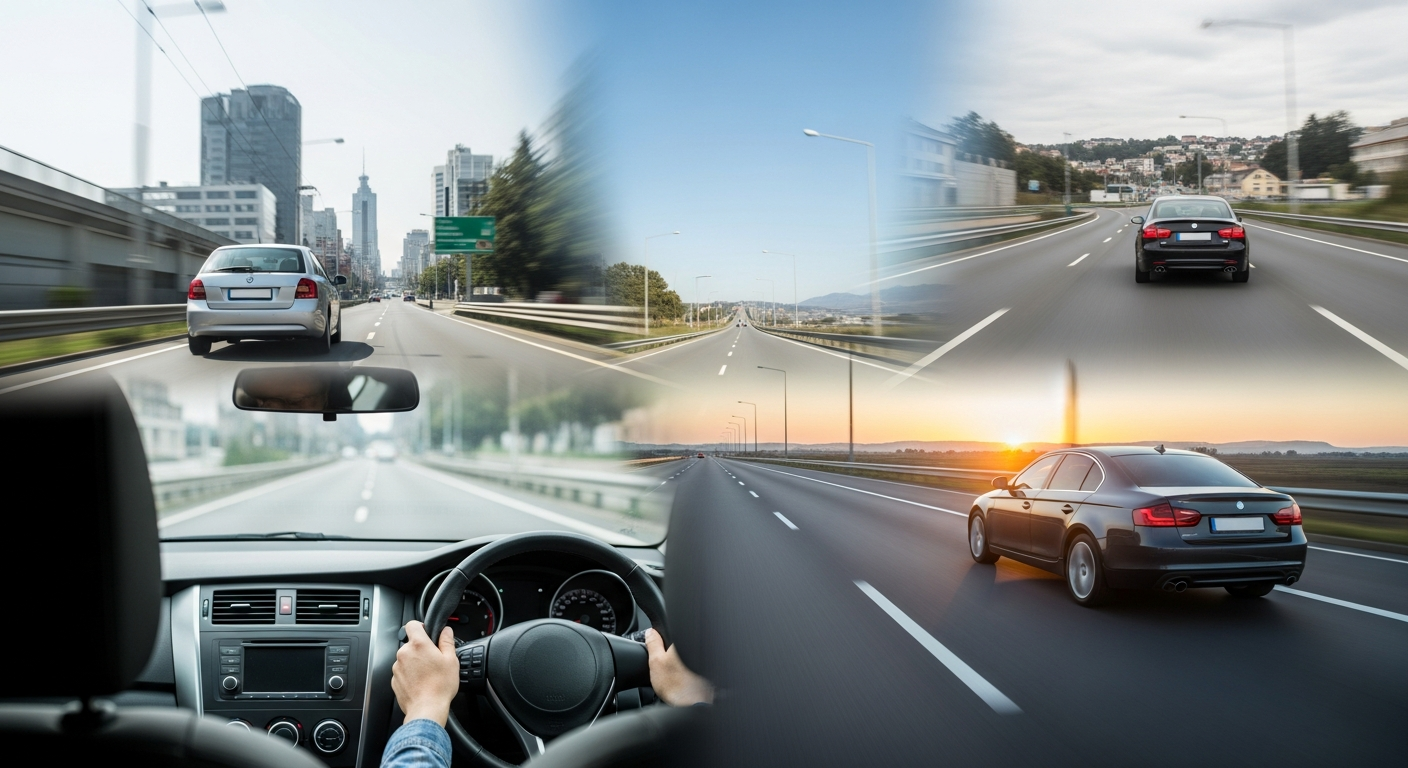
Why should you test drive a car at lower speeds to evaluate braking and steering?
Starting a test drive at lower speeds allows you to get a feel for the brake pedal, steering wheel responsiveness, and overall ergonomics without feeling overwhelmed. At lower speeds you can check how the car handles speed bumps, curb approaches, and tight turns — all common driving conditions for daily commuting. Use this time to test the brake for any unusual noises, sponginess, or pulling to one side that could indicate mechanical issues or uneven brake wear.
Evaluating braking and steering at lower speeds also helps you assess the driving position and visibility from the driver's seat. Check the side mirrors, rear view, and blind spot while maneuvering slowly. This first-hand assessment gives peace of mind that the vehicle's ergonomics and steering wheel alignment suit your driving style before you accelerate to higher speeds.
How does testing at highway speed reveal different acceleration and responsiveness?
When you accelerate to highway speed, you evaluate how the car responds under sustained load and whether the acceleration feels smooth and predictable. Highway speed testing exposes transmission shifting behavior, turbo lag if present, and the car's ability to accelerate onto on-ramps or pass slower traffic. Pay attention to how quickly the car can accelerate from 50 to 70 mph — this helps you judge safety for overtaking on multi-lane roadways.
Highway speed also shows how the vehicle behaves with cruise control engaged and how the steering wheel holds steady at higher driving speeds. Listen for unusual noises or vibrations that only appear at high speeds and evaluate the overall driving experience for long trips. This portion of a test drive helps you confirm the car's responsiveness and whether it's suitable for regular highway use.
What can you learn by alternating between different speeds during a single test drive?
Alternating between lower speeds, city driving, and high speeds in one continuous test drive simulates the range of real-world driving conditions. This approach lets you observe how the car transitions between stops and starts, how it handles different driving behavior demands, and whether any safety features like ABS and traction control engage smoothly. You can evaluate fuel economy impressions across different driving speeds and notice any inconsistent performance.
Changing speeds also helps detect intermittent problems that may not appear in a static or single-speed test. For example, a drivetrain vibration might show up only when accelerating through a specific speed range, or a noise could happen during deceleration. By testing various conditions, you reduce the risk of missing potential issues during the pre-purchase inspection.
How does driving at different speeds help you evaluate safety features and blind spot visibility?
Testing at a mix of speeds allows you to evaluate safety features like blind spot monitoring, lane assist, and stability control under realistic conditions. At lower speeds you can check if parking sensors and rear view camera guidelines are accurate, while at higher speeds you can confirm that blind spot warnings work reliably when you change lanes. Make deliberate lane changes during the test drive to ensure the system responds correctly across driving speeds.
Blind spot and visibility checks are crucial for road safety and avoiding road crashes. By verifying that side mirrors and rear view alignment provide clear views at various driving speeds and positions, you can better judge whether the car supports safe driving behavior in daily use. This firsthand observation is key when buying a used car where previous owner adjustments may have altered mirror settings.
Why should you evaluate the car’s braking at different speeds for traffic safety?
Braking performance can vary significantly with speed; the brake feel, pedal travel, and ABS engagement may feel different at slow city streets versus during high speeds on the highway. Testing brakes at various speeds helps you evaluate reaction time, stopping distances, and whether the car pulls during hard stops. These tests let you catch issues like warped rotors, uneven pads, or mechanical problems that could affect the car's safety on the roadway.
For safe driving and traffic safety, perform a few controlled, legal braking maneuvers during a test drive to assess how the car responds in emergency situations. Note whether the steering wheel stays stable under hard braking and whether unusual noises accompany braking — both important signals to mention in a pre-purchase inspection.
How can different speeds expose potential mechanical issues or unusual noises?
Mechanical issues often present themselves only under specific loads or speeds. For instance, wheel bearings might hum only at highway speed, while a loose heat shield or exhaust component may rattle at lower RPMs. Testing across a range of speeds helps you identify unusual noises and their likely sources, allowing the dealership or used car dealer to address them before you commit to buying a used car.
When you hear a noise, try to replicate it by accelerating, decelerating, coasting, or turning. This helps you evaluate whether the sound correlates with driving speed, engine RPM, or steering input. Detailed notes will assist a mechanic during a pre-purchase inspection and can prevent surprises after purchase.
What do you learn about fuel economy and efficiency by testing at varied driving speeds?
Fuel economy varies with driving speed and style. By testing a vehicle at different speeds — low-speed city driving, stop-and-go traffic, and sustained highway speed — you can form realistic expectations about fuel consumption. Accelerating aggressively at high speeds or frequent short trips will show different fuel economy outcomes than gentle acceleration and steady highway cruising. This firsthand insight helps you evaluate long-term operating costs when buying a used car.
Consider using the car's trip computer during the test drive to observe instant fuel economy changes when you accelerate or maintain a steady speed. Note how the car responds to your driving style: does it encourage eco-friendly driving, or does the engine react strongly to every tap of the throttle? These observations inform whether the vehicle matches your expectations for efficiency and cost of ownership.
How does testing different speeds help you assess handling and overall driving experience?
Driving at varied speeds allows you to understand how the car handles turns, lane changes, and crosswinds. Low-speed maneuvers test parking, steering ratio, and how easy it is to steer in tight spaces. High speeds reveal stability, suspension feel, and whether the car stays composed through curves. This combination gives a complete picture of the overall driving experience and whether the car responds to your driving style and demands.
Pay attention to how the car handles transitions between maneuvers — for example, accelerating out of a corner or braking before a turn. These moments highlight responsiveness and give you confidence that the vehicle will be predictable and secure in a variety of driving conditions, which is essential for both new car shoppers and buyers of used vehicles.
Why is it important to test-drive a car in different traffic conditions and road types?
Real-world driving includes city streets, suburban roads, and highways. Testing in various traffic conditions allows you to simulate daily routes and unexpected scenarios. On city streets you’ll experience stop-and-go conditions and speed bumps; on highways you’ll evaluate high-speed stability and merging behavior. Different road types help you evaluate suspension comfort, steering feedback, and braking across surfaces.
Testing across conditions also reveals how the car responds to drivers’ behavior in traffic — heavy braking, sudden acceleration, or driving in heavy flows. This comprehensive evaluation helps you judge whether the car is a right fit for your lifestyle and ensures you’re not surprised by performance limitations after purchase.
How can a structured test drive checklist improve the buying process when evaluating different speeds?
Use a checklist to make sure you cover lower speeds, city streets, and highway speed during the test drive. Key items include checking the brake pedal feel, steering wheel alignment, acceleration responsiveness, blind spot visibility, unusual noises, and ergonomics in the driver's seat. A structured approach ensures you evaluate safety features, comfort, fuel economy impressions, and the car's ability to accelerate or decelerate smoothly across different speeds.
Sample checklist items: 1) Start at low speeds — check brakes, steering, mirrors. 2) Drive in city traffic — test stop-start behavior and maneuverability. 3) Reach highway speed — test acceleration, stability, and cruise control. 4) Return to parking — evaluate storage space, visibility, and unusual noises. Following this helps you compare multiple used cars objectively and improves the car buying decision.
What role does a dealership or used car dealer play in facilitating a thorough multi-speed test drive?
A good dealership will encourage a comprehensive test drive that includes different speeds and road types, and will allow you to get behind the wheel for a realistic driving experience. Reputable used car dealerships and used car dealers should be transparent about pre-purchase inspections, disclose service records, and let you replicate driving conditions that are important to you, such as highway speed or city commuting.
When buying a used car, ask the dealership about arranging a mechanic inspection and a longer test drive if allowed. This can give you peace of mind and a chance to fully evaluate the car's connectivity, ergonomics, and how the car responds to various driving speeds — all essential steps to confirm you’ve found the right fit.
How does testing different speeds affect your confidence in a used car’s long-term reliability?
Testing a car across different speeds helps you spot potential issues early, which improves confidence in the vehicle’s long-term reliability. Observing consistent performance in braking, acceleration, steering, and responsiveness reduces perceived risk and helps you decide whether the used vehicle has been maintained well. Any red flags you notice during varied-speed driving can be addressed during the buying process or through a negotiated repair.
Combine your multi-speed test drive with a pre-purchase inspection and a review of maintenance records. This layered approach — firsthand driving experience, mechanic evaluation, and documentation — gives you the best chance to avoid surprises and ensures the car meets your expectations for reliability and safety.
Summary
Why Test-Driving at Different Speeds Gives You Better Insight: testing at lower speeds, in city traffic, and at highway speed reveals how a car handles, accelerates, brakes, and responds in various driving conditions. A thorough test drive helps you evaluate safety features, detect unusual noises, estimate fuel economy, and confirm ergonomics and comfort. Using a checklist and working with a cooperative dealership improves your car buying process and reduces perceived risk.
When buying a used car, take the time to drive the vehicle at different speeds and in varied conditions. This approach offers a complete driving experience and helps you evaluate whether a used vehicle is the right fit. For buyers in central Pennsylvania, consider visiting William H Wessels Used Cars, a Used Car Dealership in Dillsburg, PA — their team of used car dealers can help arrange comprehensive test drives, assist with used car finance options, and show available Used cars for sale. Getting behind the wheel at multiple speeds before making a decision is the most reliable way to gain peace of mind during the buying process.
Why Test-Driving at Different Speeds Gives You Better Insight — FAQs
1. Why should I test-drive at both low and high speeds?
Different speeds reveal issues like steering feel, suspension response, and noise that may only appear under specific conditions.
2. How does varying speed help assess safety features?
Testing at various speeds shows how brakes, stability control, and lane systems perform under real-world loads and reaction times.
3. Will different speeds affect fuel economy impressions?
Yes—fuel consumption and engine efficiency change with speed, helping you estimate real-world mileage for your driving style.
4. How long should I test-drive at each speed?
Spend a few minutes at city speeds, moderate highway pace, and a higher-speed stretch to capture handling, comfort, and noise differences.