Used Car Infotainment Systems: Evolution, Features & Benefits
Posted Thursday, May 07, 2026
Infotainment systems have become one of the most influential factors in the used car market. What was once limited to basic car radios has evolved into fully connected digital ecosystems featuring touchscreen interfaces, smartphone integration, navigation, and artificial intelligence. For buyers and sellers alike, understanding how infotainment systems have evolved—and how they impact value—can make a significant difference when evaluating used cars.
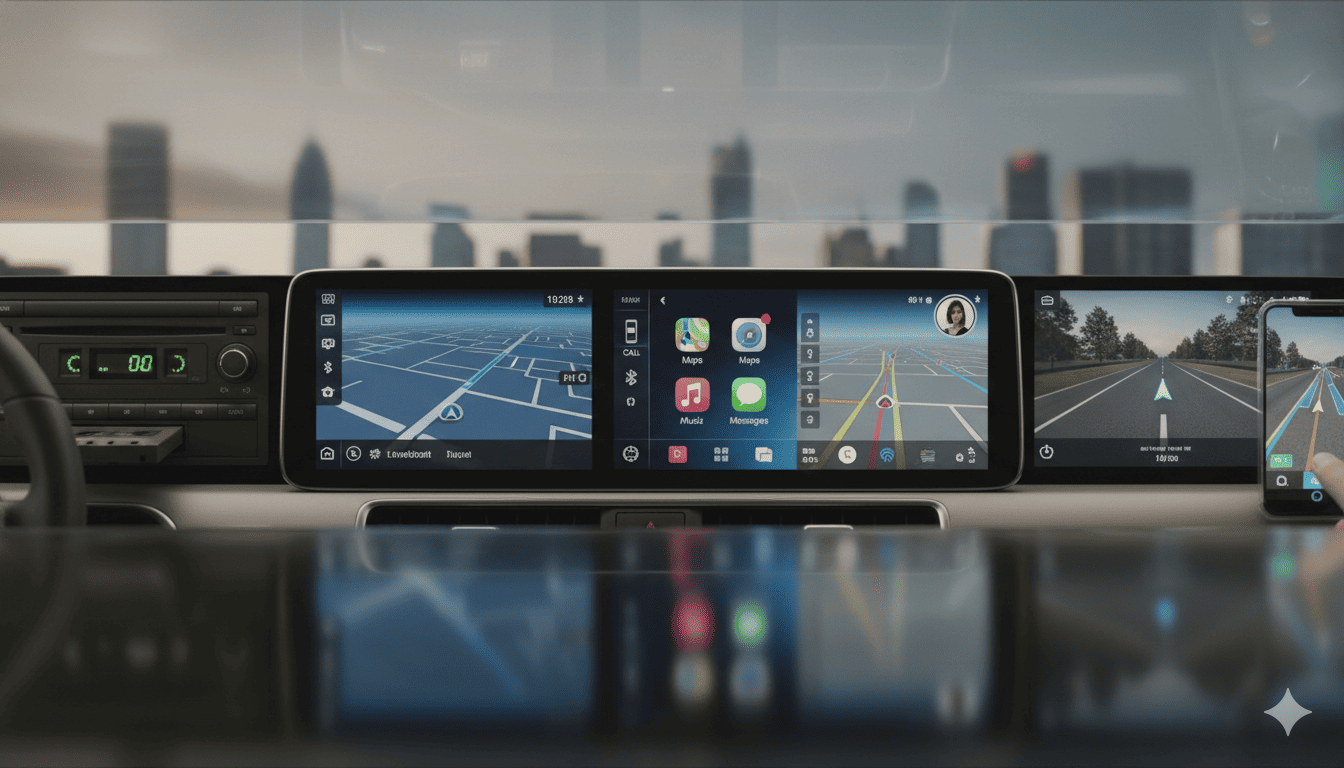
From Basic Audio to Digital Connectivity: A Timeline of Change
The evolution of infotainment systems is best understood through the lens of used car generations. Each era brings different expectations, features, and trade-offs for buyers.
Pre-2010: Basic In-Car Entertainment
Older used cars from this era typically include:
- AM/FM radio
- Cassette players or CD players
- Manual controls with no connectivity
These vehicles appeal to budget-conscious buyers or those who prefer simplicity. However, they lack modern convenience features, which can impact resale value.
2010–2016: The Rise of Bluetooth and Early Connectivity
This period marked a major shift in automotive technology:
- Bluetooth connectivity for hands-free calling
- Basic audio streaming
- Early built-in GPS navigation systems
For used car buyers, vehicles from this era offer a balance between affordability and essential connectivity. Bluetooth became a must-have feature, significantly improving both safety and convenience.
2017–2020: Smartphone Integration Becomes Standard
Infotainment systems took a major leap forward with:
- Apple CarPlay and Android Auto
- Improved touchscreen interfaces
- Enhanced voice control features
Cars from this generation are highly desirable in the used market because they integrate seamlessly with smartphones. Buyers often prioritize these models due to their familiarity and ease of use.
2020 and Newer: Smart Infotainment and AI Integration
Modern vehicles introduced advanced capabilities such as:
- AI-powered voice assistants
- Real-time navigation with live traffic updates
- Over-the-air (OTA) software updates
- Wireless smartphone connectivity
These features are now shaping expectations in the used car market, even influencing demand for slightly older models.
Why Infotainment Matters More in Used Cars Than Ever
Unlike mechanical components, infotainment systems age quickly. A car that runs perfectly may still feel outdated if its technology lacks modern features.
1. Buyer Expectations Have Shifted
Today’s buyers expect:
- Seamless smartphone integration
- Responsive touchscreens
- Hands-free functionality
A used car without these features may struggle to compete, even at a lower price point.
2. Direct Impact on Resale Value
Infotainment systems now play a measurable role in pricing:
- Vehicles with Apple CarPlay and Android Auto often command higher resale values
- Outdated systems reduce perceived value
- Tech features can outweigh mileage in some buying decisions
3. Convenience and Daily Usability
Modern infotainment enhances the driving experience through:
- Real-time navigation and traffic updates
- Music and media streaming
- Voice-controlled commands
For many buyers, these features are no longer optional—they’re essential.
Key Infotainment Features to Look for in a Used Car
When evaluating used cars, infotainment should be tested as thoroughly as engine performance. Focus on:
- Touchscreen responsiveness: Check for lag or glitches
- Bluetooth connectivity: Ensure stable pairing and audio quality
- Smartphone integration: Verify Apple CarPlay or Android Auto compatibility
- Navigation system: Test accuracy and usability
- Voice controls: Evaluate how well commands are recognized
- Software updates: Determine if the system can still receive updates
These factors directly influence long-term satisfaction and usability.
Older Car vs Newer Tech: The Trade-Off
Used car buyers often face a key decision:
- Older car + aftermarket upgrade
- Lower upfront cost
- Option to add modern features
- May lack seamless integration
- Newer car with built-in infotainment
- Higher purchase price
- Better system integration
- More future-ready technology
Understanding this trade-off helps buyers align their budget with their technology expectations.
The Role of Smartphones in Modern Infotainment
Smartphone integration has redefined in-car technology. Instead of relying on outdated built-in systems, drivers now use their phones for:
- Navigation
- Music streaming
- Messaging and calls
- Voice assistants
This shift has made features like Apple CarPlay and Android Auto essential in the used car dealers market, as they keep infotainment systems relevant even as software evolves.
Future Trends Shaping the Used Car Market
Infotainment systems continue to evolve, and these trends will influence future used car demand:
- AI-driven personalization
- Augmented reality navigation
- Faster, more responsive interfaces
- Expanded cloud connectivity
- Increased adoption of wireless features
Cars equipped with these technologies today are likely to retain higher value in the years ahead.
Conclusion
The evolution of infotainment systems has transformed the used car market from a focus on mechanical reliability to a balance between performance and digital experience. From basic radios to AI-powered interfaces, infotainment now plays a critical role in how buyers evaluate vehicles.
For anyone shopping for a used car, understanding this evolution is essential. A well-equipped infotainment system doesn’t just enhance convenience—it improves safety, boosts resale value, and ensures the vehicle remains relevant in an increasingly connected world.
When comparing options, always test the infotainment system thoroughly. The right technology can turn an ordinary car into a modern, connected driving experience.
FAQs
1. What is meant by infotainment systems in used cars?
Infotainment systems combine entertainment, navigation, and connectivity features like audio, maps, Bluetooth, and apps in a vehicle.
2. How have infotainment systems evolved over time?
They progressed from basic radios and CD players to touchscreen interfaces, smartphone integration (Apple CarPlay/Android Auto), voice assistants, and OTA updates.
3. Why does infotainment evolution matter for used car buyers?
Modern systems affect usability, safety, resale value, and compatibility with phones and services, influencing buyer satisfaction.
4. Are older infotainment systems upgradeable?
Many older units can be upgraded with aftermarket head units, adapters for smartphone integration, or firmware updates if supported.
5. What should I check when buying a used car with an infotainment system?
Test connectivity (Bluetooth/USB), navigation accuracy, touchscreen responsiveness, camera functioning, and whether software updates are available.
6. Do advanced infotainment features impact insurance or maintenance?
They can raise repair costs and sometimes affect insurance premiums due to higher replacement/repair expenses for screens and sensors.